Açaí: From Indigenous Mythology to Global Superfruit – A Journey through the History, Science and Culture of this iconic Amazonian tree.

Whether inside or outside Brazil, it’s hard to find anyone who hasn’t at least heard of Açaí. Its purplish color and unique flavor have contributed to its international fame, among other qualities typically observed in palms of the same family (the arecaceae family, which includes other fruits such as Juçara, coconut and dendê).

In the Heights
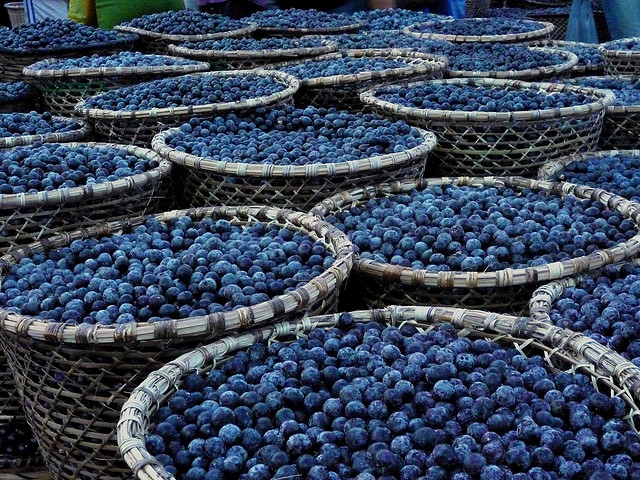
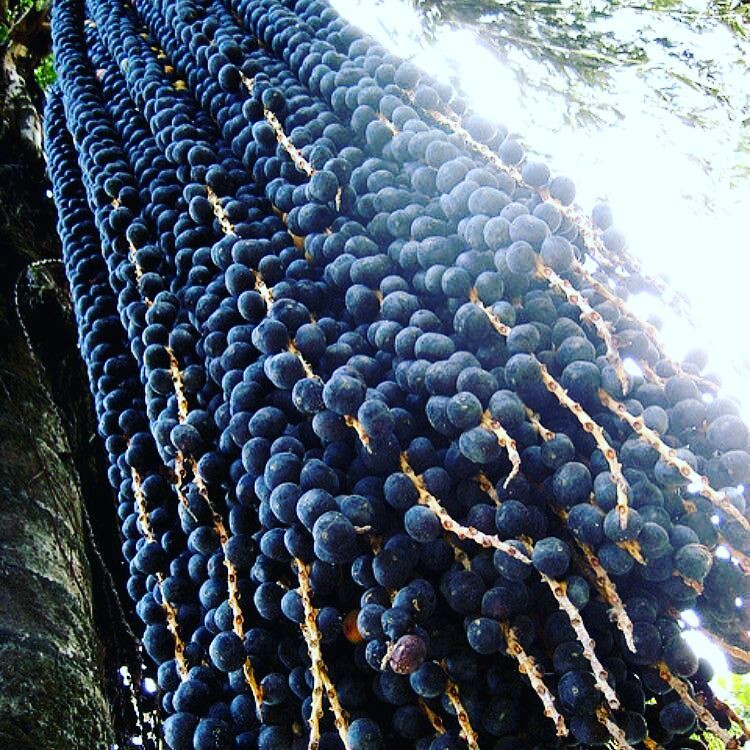
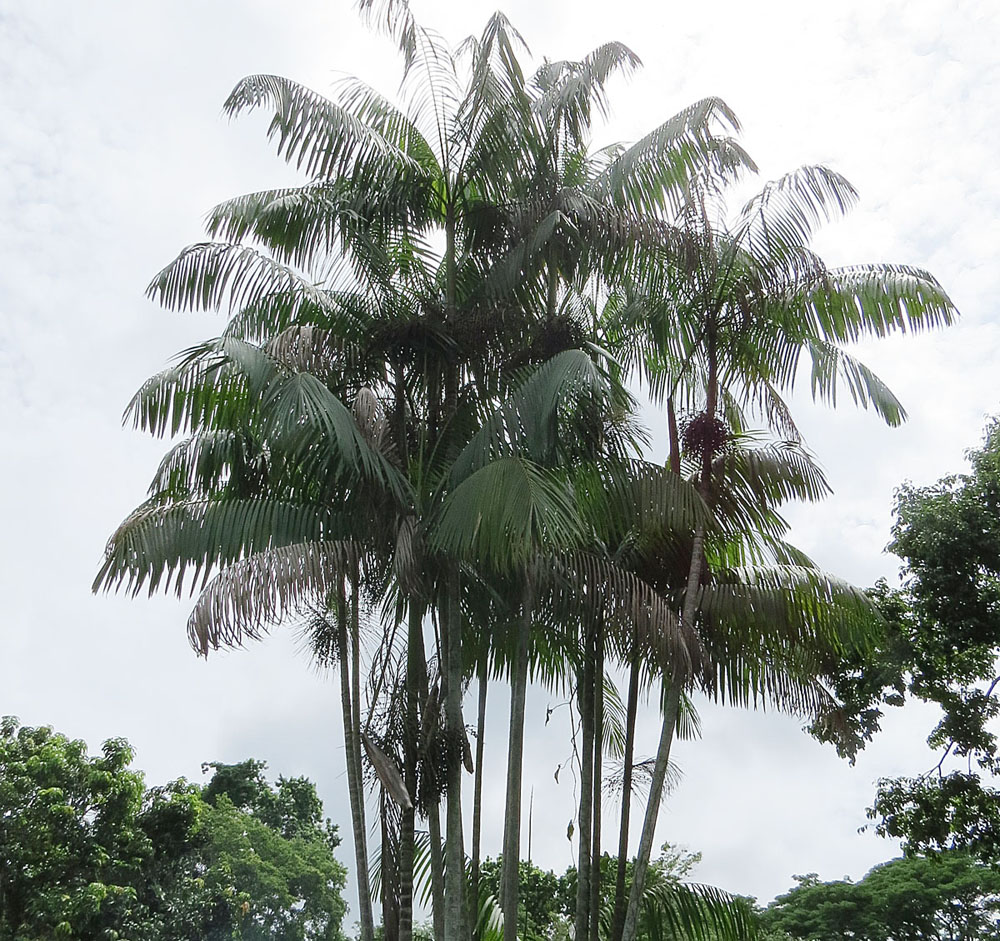
Its tall, slender trunk can reach a height of up to 25 meters (82 feet), where there is a crown of 9 to 15 compound leaves, about 1.2 to 4 meters long. Just below them are the inflorescences in hanging clusters, in shades of white and green, which attract a variety of pollinators, from bees to colorful birds. When ripe, the dense, bursting clusters bear the famous açaí berry, small purple acorns with a thin, rough skin, a soft, acidic pulp and a large, hard stone. It is mainly consumed in the form of pulp, which is beaten with water or milk and traditionally served with manioc flour or tapioca in savory dishes. It can also be used to make juice, ice cream, sweets, cakes, etc.

A superfood
Açaí, considered a superfood, is a fruit rich in nutrients, especially antioxidants, vitamins, fiber, calcium, iron and good fats for our bodies. It has energizing, aphrodisiac and anti-inflammatory properties, which help to improve physical and sexual performance and fight diseases such as colds, flu, infections and anemia. Açaí is also used in the pharmaceutical and cosmetics industries for its health and beauty benefits for skin and hair. These deep purple fruits not only feed the local fauna, but have also sustained human communities for centuries, providing a vital source of food and income.

In fact, in addition to its importance as a food resource, the açaí tree plays a fundamental role in the ecology of the region where it is naturally found, providing habitat for a variety of organisms and contributing to the Amazon’s unique biodiversity. Its resistance to adverse conditions and its ability to thrive in flooded soils make it a vital species for the health of riverside ecosystems.

Treasure of the Forest
From an economic point of view, the açaí palm is a major generator of resources. According to CONAB data, national production was 1.7 million tons in 2020. It currently generates more than US$ 1 billion a year for the Brazilian economy and is a significant source of income for the riverside population, the inhabitants of the banks of the Amazon rivers, mostly cultivated by small cooperatives that help increase the income of families in this region. The global demand for açaí has led to its recognition as a superfood, further increasing its economic value in recent years, becoming one of the most cultivated fruits in the Northeast region of the country.

The state of Pará leads the national production of açaí, supplying around 85% of the country’s total, equivalent to approximately 820,000 tons per year (2018 data). Most of this amount, around 60%, is consumed within the state itself, while 30% is distributed to other regions of Brazil. Only 10% of production is exported abroad, taking the characteristic taste of açaí beyond national borders.

A Gift from Heaven
Even before it was introduced to the Brazilian market (in the 1980s), it already played a very important role among the indigenous peoples who lived and still live in the forests of the Amazon. The protagonist of tales and legends of these peoples, the açaí continues to have a prominent place for these communities.

According to Brazilian indigenous folklore, the açaí came about as a gift from the Gods. The chieftain Itaki had the tribe’s newborn children sacrificed to prevent the famine that was ravaging them because the population was so large and it was difficult to get food for everyone. One day his daughter Iaçã had a baby girl who also had to be sacrificed, according to the chief’s order. Iaçã was deeply saddened by this and spent days and nights crying in mourning inside her oca. She asked Tupã (considered by many indigenous groups to be a supreme deity, Tupã is responsible for controlling the elements of nature and influencing the life cycles of plants, animals and human beings, and is often associated with the fertility of the earth and the protection of indigenous peoples. In many traditions, he is revered and invoked in rituals and ceremonies as a way of seeking his blessing, protection and guidance) to show her father a way to feed his people without having to take the lives of the tribe’s children. one moonlit night, she heard a child’s cry and when she went outside the den, she saw her daughter smiling at the foot of a palm tree. Iaçã ran to hug her, but the child disappeared from her arms. Inconsolate, Iaçã ended up dying hugging that tree. The chief found Iaçã’s body hugging the palm tree, with her eyes turned to its fruit and a smile on her face. Itaki ordered them to harvest the fruit. He made a wine from the pulp that fed the tribe and ordered that there should be no more sacrifices from that day on, naming the fruit açaí in honor of his daughter (Iaçã in reverse). The name açaí comes from the Tupi-Guarani “ïwasa’i”, which means “weeping fruit”.

Attested Importance
In addition to its centuries-old importance in the diet of indigenous peoples, its leaves can be used to make hats, mats, baskets, straw brooms and roofs for houses, and the pest-resistant wood of the trunk for construction. The trunks of the tree can also be processed to produce minerals. Its palm heart is widely exploited as a delicacy, and açaí oil also has various chemical properties that have beneficial effects on the human body. After the pulp has been removed, the cleaned seeds are widely used in the production of handicrafts, further contributing to the financial resources of the people of the Amazon region.

Unfortunately, açaí production in Pará has had an impact on the environment, reducing the diversity of native trees and generating waste. This waste, especially the stones, has been disposed of irregularly, causing problems for the population. However, research has explored ways of using this waste sustainably, such as in the manufacture of prostheses and biodegradable packaging. Local initiatives seek to regularize the collection and proper disposal of this waste, in order to minimize environmental impacts. These efforts highlight the potential of research and innovation to promote sustainability and economic development in the region.

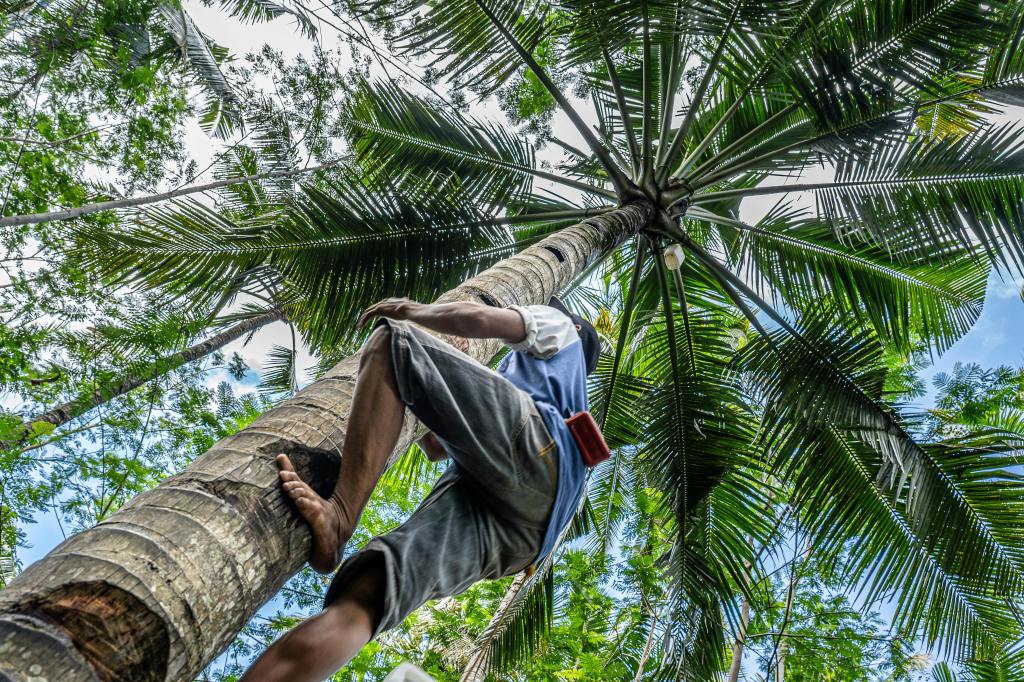
This tree has been a staple in the diet of these peoples for generations and is often associated with health and vitality. Harvesting the açaí berries is a traditional activity that involves climbing the tall palm trees, cutting off the incredibly abundant bunches of fruit and climbing down with them in hand to later pulp the berries.

Whether as a source of income or as a source of food, for local communities or for large international food and cosmetics industries, açaí has become a gateway to discovering the riches behind Brazil’s native trees with all their exuberance, beauty and importance in the most diverse aspects of human life.

O Açaí: Da Mitologia Indígena à Superfruta Global – Uma Jornada pela História, Ciência e Cultura dessa árvore icônica da Amazônia.

Seja dentro ou fora do Brasil é difícil encontrar alguém que já não tenha ao menos ouvido falar do Açaí. Sua cor arroxeada e sabor único contribuíram para sua fama internacional, dentre outras qualidades tipicamente observadas em palmeiras da mesma família (família das arecaceae, que inclui outras frutas como a Juçara, o coco e o dendê.)

Nas Alturas
Seu tronco alto e esguio pode atingir uma altura de até 25 metros (82 pés ), onde se encontra uma coroa de 9 a 15 folhas compostas, com cerca de 1,2 a 4 metros de comprimento. Logo abaixo delas, as inflorescências em cachos pendentes, em tons de branco e verde, que atraem uma variedade de polinizadores, de abelhas à pássaros coloridos. Quando maduros, os cachos densos e aborrotados ostentam a tão famosa baga de açaí, pequenas bolotas roxas, de casca fina e rugosa, uma polpa macia e ácida e um caroço grande e duro. Ela é consumida principalmente na forma de polpa, que é batida com água ou leite e tradicionalmente servida com farinha de mandioca ou tapioca em pratos salgados. Ela também pode ser usada para fazer suco, sorvete, doces, bolos, etc.

Um Superalimento
O açaí, considerado um superalimento, é uma fruta rica em nutrientes, especialmente em antioxidantes, vitaminas, fibras, cálcio, ferro e gorduras boas para o nosso organismo. Ela tem propriedades energéticas, afrodisíacas e anti-inflamatórias, que ajudam a melhorar o desempenho físico e sexual e a combater doenças como gripes, resfriados, infecções e anemia. O açaí também é usado na indústria farmacêutica e cosmética, por seus benefícios para a saúde e a beleza da pele e dos cabelos. Essas frutas de uma coloração roxa intensa não só alimentam a fauna local, mas também sustentam comunidades humanas há séculos, oferecendo uma fonte vital de alimento e renda.

De fato, além de sua importância como recurso alimentar, a árvore de açaí desempenha um papel fundamental na ecologia da região onde é naturalmente encontrada, proporcionando habitat para uma variedade de organismos e contribuindo para a biodiversidade única da Amazônia. Sua resistência às condições adversas e sua capacidade de prosperar em solos alagados fazem dela uma espécie vital para a saúde dos ecossistemas ribeirinhos.

Tesouro da Floresta
Do ponto de vista econômico, a palmeira do açaí é uma grande geradora de recursos. Segundo dados da CONAB, a produção nacional foi de 1,7 milhões de toneladas em 2020. Gera atualmente mais de US$ 1 bilhão por ano para a economia brasileira e é uma fonte significativa de renda para a população ribeirinha, os habitantes das margens dos rios da Amazônia, majoritariamente, cultivado por pequenas cooperativas que ajudam no aumento da renda das famílias dessa região. A demanda global por açaí levou ao seu reconhecimento como um superalimento, aumentando ainda mais o seu valor econômico nos últimos anos, se tornando uma das frutas mais cultivadas na Região Nordeste do país.

O Estado do Pará lidera a produção nacional de açaí, fornecendo cerca de 85% do total do país, o equivalente a aproximadamente 820 mil toneladas por ano (dados de 2018). A maior parte desse montante, cerca de 60%, é consumida dentro do próprio estado, enquanto 30% são distribuídos para outras regiões do Brasil. Apenas 10% da produção é exportada para o exterior, levando o sabor característico do açaí para além das fronteiras nacionais.

Presente dos Céus
Mesmo antes de ser introduzida no mercado brasileiro (a partir dos anos de 1980), já desempenhava um papel de grande importância entre os povos indígenas que viviam e vivem nas florestas da Amazônia. Protagonista de contos e lendas desses povos, o açaí continua tendo um lugar de destaque para essas comunidades.

Segundo o Folclore indígena brasileiro o açaí surgiu como um presente dos Deuses. O cacique Itaki mandou sacrificar as crianças recém nascidas da tribo para evitar a fome que os assolava pois a população era muito numerosa e estava difícil conseguir alimento para todos. Um dia sua filha Iaçã teve uma menina que também teve de ser sacrificada, segundo a ordem do cacique. Iaçã ficou profundamente triste com isso, passando dias e noites chorando em luto no interior de sua oca. Ela pediu a Tupã (considerado por muitos grupos indígenas uma divindade suprema, Tupã é responsável por controlar os elementos da natureza e influenciar os ciclos vitais das plantas, dos animais e dos seres humanos, é frequentemente associado à fertilidade da terra e à proteção dos povos indígenas. Em muitas tradições, Ele é reverenciado e invocado em rituais e cerimônias como uma forma de buscar sua bênção, proteção e orientação) que mostrasse ao seu pai uma forma de alimentar seu povo sem que fosse necessário tirar a vida das crianças da tribo. numa noite de luar, ela ouviu um choro de criança e ao sair na porta da toca, avistou sua filha sorrindo ao pé de uma palmeira. Iaçã correu para abraçá-la, mas a criança desapareceu dentre seus braços. Inconsolada, Iaçã acaba morrendo abraçada àquela árvore. O cacique encontrou o corpo de Iaçã abraçada à palmeira, com os olhos voltados para seus frutos e um sorriso no rosto. Itaki mandou que os colhessem aqueles frutos. Ele fez um vinho da polpa que alimentou a tribo e ordenou que não houvessem mais sacrifícios a partir daquele dia, dando o nome aos frutos de açaí em homenagem à sua filha (Iaçã ao contrário). O nome açaí vem do tupi-guarani “ïwasa’i”, que significa “fruta que chora”.

Importância Atestada
Além da sua importância secular na dieta dos povos indígenas, suas folhas podem ser utilizadas na fabricação de chapéus, esteiras, cestos, vassouras de palha e telhado para casas, e madeira do tronco, resistentes a pragas, para construção civil. Os troncos da árvore também podem ser processados para produzir minerais. O seu palmito é amplamente explorado como uma iguaria, e o óleo de açaí também possui diversas propriedades químicas que causam efeitos benéficos no corpo humano. Depois da retirada da polpa, as sementes limpas são amplamente utilizadas na produção de peças de artesanato, contribuindo ainda mais para a arrecadação de recursos financeiros dos povos da região Amazônica.

Infelizmente, a produção de açaí no Pará tem impactado o ambiente, reduzindo a diversidade de árvores nativas e gerando resíduos. Esses resíduos, principalmente os caroços, têm sido descartados de forma irregular, causando problemas para a população. No entanto, pesquisas têm explorado maneiras de aproveitar esses resíduos de forma sustentável, como na fabricação de próteses e embalagens biodegradáveis. Iniciativas locais buscam regularizar a coleta e destinação adequada desses resíduos, visando minimizar os impactos ambientais. Esses esforços destacam o potencial da pesquisa e inovação para promover a sustentabilidade e o desenvolvimento econômico na região.

Essa árvore tem sido um alimento básico na dieta desses povos por gerações e é frequentemente associada à saúde e à vitalidade. A colheita das bagas de açaí é uma atividade tradicional que envolve escalar as palmeiras altas, cortar os cachos incrivelmente abundantes de frutos e descer com eles nas mãos para posteriormente realizar a despolpa das bagas.

Seja como fonte de renda ou como fonte de alimentação, para comunidades locais ou para grandes indústrias internacionais de alimentação e cosméticos, o açaí tornou-se uma porta de entrada para a descoberta das riquezas por de trás das árvores nativas brasileiras com toda a sua exuberância, beleza e importância nos mais diversos aspectos da vida humana.

NFTreesBrasil: Getting to know the project better


Welcome to NFTreesBrasil, a project that mixes art, technology and sustainability in search of creating a positive impact in the world!

The Essence of Our Cause

The main focus of NFTreesBrasil is our deep passion for Brazilian nature and biodiversity. Our mission is to raise awareness and engage people around the world in environmental preservation, highlighting the value of native fauna and flora and connecting them to the universe of Blockchain technology.

Embarking on the Journey: “Treasures of Brazil” Collection

Our first collection, “Treasures of Brazil”, marks just the beginning of this journey. With artistic representations of animals and plants endemic to Brazil, this collection serves as a gateway to the next steps in this endeavor. A way to reveal the artistic potential of future collections and bring resources to consolidate the project.

Preserving the Future: Brazilian Native Trees Collection

The next step is the creation of the first special collection, dedicated to native Brazilian trees. Each NFT is a unique artistic representation, enriched with information about the importance and historical, cultural and ecological significance of each species, in addition to many other curious and sometimes unexpected information about its impact on human society. By acquiring these NFTs, you directly contribute to the reforestation and preservation of these trees, crucial for the future of our planet.

Learn and Earn: Unveiling a New Universe

We are working with great dedication to develop a teaching platform dedicated to the study of topics such as environmental preservation and Blockchain technology. By delving into these topics, you will be rewarded with tokens and instructed on how to enter, through these tokens, the universe of web 3. These rewards can be exchanged for other assets or discounts on ecotourism services and products from regional partners. All this and much more available to learn in a dynamic and didactic way and still getting paid for this activity.

Financial and Environmental Impact

Sustainability is our guiding principle. Half of the revenue from the sale of NFTs from these collections will finance reforestation projects and management of native forests, generating carbon credits that return to holders as a conscious financial return. NFTreesBrasil offers more than just an investment opportunity; it’s a chance to make a positive environmental impact and reap rewards in the process.

Together for a Sustainable Future

At NFTreesBrasil, we believe that art, technology and awareness can change the world, and every action matters. Our project is a shared journey with all those looking for a greener and more conscious future. We are committed to transparency at every step, sharing each milestone on the path to even greater impact.

Be Part of The Change

Every initiative counts. By purchasing our NFTs, you not only become part of an up-to-date, responsible and aware community, but you also have the opportunity to become an agent of change. With the help of technology and small actions we can create a more sustainable and ecologically responsible world for the good of all.

Enhancing Digital Art with Blockchain: A Greener and Fairer Future

Digital art has revolutionized the creative landscape, offering a diverse range of expressive mediums such as images, animations, videos, music, games and much more. With its ability to reach and engage a wide audience, digital art has become an engaging and interactive form of artistic expression. However, this emerging field faces challenges that need to be addressed. Problems such as unauthorized reproduction, lack of artist recognition, assessment uncertainty and environmental impact have become prevalent.

Facing the Challenges:


Fortunately, blockchain technology presents a promising solution to overcome these challenges and create a better and greener future for digital art. Blockchain serves as a secure, transparent and decentralized ledger that enables the creation and distribution of unique digital assets. By leveraging the blockchain, we can unlock several improvements in the digital art ecosystem.

  1. Embracing Non-Fungible Tokens (NFTs):
    Non-fungible tokens (NFTs) act as digital certificates of authenticity, establishing ownership and provenance of digital assets. They provide a verifiable record of the origin, date of creation, and scarcity of an artwork. NFTs add value, uniqueness and collectability to digital art. Additionally, they contribute to sustainability efforts by eliminating the need for paper or plastic in physical certificates.
  2. Peer-to-peer trading:
    Blockchain facilitates direct peer-to-peer digital art trade, empowering artists and collectors to transact without a middleman. By cutting out middlemen, artists receive fair compensation for their creations and buyers enjoy reduced costs and improved accessibility. Furthermore, this decentralized approach minimizes the energy consumption associated with traditional logistics.
  3. Smart contracts for fair compensation:
    Smart contracts are self-executing agreements that automate the application of predefined terms. In the context of digital art, smart contracts ensure that artists receive adequate compensation and recognition whenever their work is used or sold. These contracts also establish guidelines for buyers, ensuring compliance with the agreed conditions. Additionally, smart contracts allow artists to contribute a portion of their earnings to environmental causes they care about, promoting a greener art ecosystem.
  4. Empowerment of artistic communities:
    Blockchain-based platforms provide spaces for artists and enthusiasts to connect, share and collaborate in digital art communities. These platforms provide secure and transparent environments for creating, displaying and interacting with works of art. By fostering support networks, artists can exchange valuable feedback, encouragement and tips, nurturing a creative, sustainable and responsible community.

Blockchain technology has immense potential to enhance the digital art industry, offering benefits that go beyond financial gain. By taking advantage of the decentralized nature of blockchain, artists gain control over their work, receive due recognition and establish fair remuneration. The implementation of NFTs, peer-to-peer trading, smart contracts and artist communities on the blockchain promotes a more responsible and sustainable digital art landscape. Through these advancements, digital art becomes more accessible, collectible, and impactful for artists and art enthusiasts around the world.

In summary, the integration of blockchain technology presents a transformative opportunity to create a mature, professional and ecologically aware digital art ecosystem. By embracing these innovations, we can pave the way for a future where artists thrive, art is valued and environmental sustainability is a priority.

Through the NFTreesBrasil project, we hope to show how we can become more and more responsible and how our art can gain more and more space and recognition, in an era where incredible advances are made daily in the universe of digital art.

NFTreesBrasil team.

#NFTreesBrasil
#NFTart #DigitalArt #CryptoArt #Blockchain #ArtCollectors #NFTcommunity #ArtTech #DigitalCreativity #ArtMarket #NFTcollectibles

Unveiling the World of NFTs: Where Art Meets Technology!

Today, let’s talk about a new possibility for creative expression and the world of art:

The NFTs (Non-Fungible Tokens).

Let’s find out how these unique tokens are redefining the way we value, buy and sell works of digital art, where finding technology allows creativity to expand beyond physical boundaries.

Have you heard about NFTs?

What exactly do they represent?

In summary, NFTs (Non-Fungible Tokens) are unique and indivisible tokens, based on blockchain technology, they are like digital certificates of authenticity that guarantee exclusive ownership of a virtual item, but it is much more than that…

In recent years, we have witnessed a huge shift in the way we appreciate and consume art. With the advancement of technology, artists have explored new means of expression and found a space in the digital world… Imagine a place where paintings, illustrations, photographs and even sculptures come to life in digital format. Through online platforms, creations come to life and connect with people around the globe.

In this way, we can say that NFTs also have the power to democratize the art market, allowing independent artists to reach this global audience without the need for traditional intermediaries. This new form of commercialization offers incredible opportunities for emerging talent and enables a direct connection between creators and art lovers.


But why a digitally authentic work?

would it be as valuable as a physical object?

Creativity has no limits after all and can be enjoyed in different ways!
NFTs lead us to question and explore new horizons, challenging established standards and making room for innovation and diversity.

But how to guarantee the authenticity and exclusivity of these works in such a fluid and replicable medium?

Each creation is converted into unique, blockchain-based tokens, providing a revolutionary way to authenticate and value works of digital art. Each NFT is like a digital signature, granting ownership and traceability to a specific creation. This allows artists and collectors to be sure that they are acquiring something truly unique and original, as thanks to blockchain technology, each NFT is registered in an immutable ledger.

But what is blockchain?

Blockchain, as we said earlier, is like a public and immutable ledger, where each NFT is registered, authenticated and stored securely. Imagine a virtual museum, without dark rooms and with tireless digital curators guaranteeing the authenticity of each work. It is technology opening doors to a new possibility for art, where transparency and security go hand in hand.

From Scarcity to Valuation:

One of the key features of NFTs is their ability to confer digital scarcity. While in the physical world scarcity is determined by the quantity of printed copies, in the digital world scarcity is controlled by the very nature of NFTs. With only one unit available, NFTs become valuable in their own right, reflecting collectors’ desire and demand.

Community involvement: The power of collectors.

NFTs are not just about owning a unique item; they also encourage active community participation. Collectors have the opportunity to directly support and interact with their favorite artists, influencing the development of new works, collaborations and even exclusive events.

Well, that’s it for today!

The journey through the NFT universe is just beginning. In upcoming articles, we’ll delve deeper into each aspect covered in this text, exploring inspiring artist stories, uncovering creative techniques, sharing tips for collectors, and much more.

Let’s explore a world full of creativity, innovation and unlimited possibilities together!

In the meantime, be sure to check out our Discord and Instagram, where the community is always active, sharing works, exchanging ideas and creating amazing connections. It’s the perfect place to meet talented artists, passionate collectors and enthusiasts passionate about the NFT universe.

See you soon in the next chapter!

NFTreesBrasil team.

#NFTreesBrasil
#NFTart #DigitalArt #CryptoArt #Blockchain #ArtCollectors #NFTcommunity #ArtTech #DigitalCreativity #ArtMarket #NFTcollectibles